Most homeowners start by calling three fence companies. Then three numbers come back that look nothing alike for the same 150 feet of cedar, and the project stalls.
We hear about it constantly. Nobody in Glenview or Wilmette is hunting for the cheapest possible fence. They want to know whether the middle quote is fair and what they should be planning to spend.
So here is a straight answer, with the caveat any answer like this needs: no article can price your yard. What follows is how fence pricing actually works on the North Shore and in the northwest suburbs, not a quote. Use it to understand what drives the number before anyone walks your property.
Brief Explanation of Fence Installation Costs
Residential fence installation in our service area covers a wide span. A short run of chain link along one side of a Niles bungalow lot sits at the bottom of it. Two hundred feet of ornamental aluminum with an automated driveway gate in Lake Forest sits at the top, several times higher.
Fencing is usually priced by the linear foot installed, and the spread between the low and high end of that scale is wide, because "fencing" covers everything from 4-foot galvanized chain link to welded steel panels.
The average suburban backyard here needs 120 to 200 linear feet. Knowing your rough footage and the material you have in mind is most of what you need for a useful conversation before you pick up the phone.
How the Fencing Materials Compare on Cost
These comparisons assume a standard install covering materials and labor, including a relatively level yard, decent equipment access, and no old fence to pull.
Cedar and Other Wood
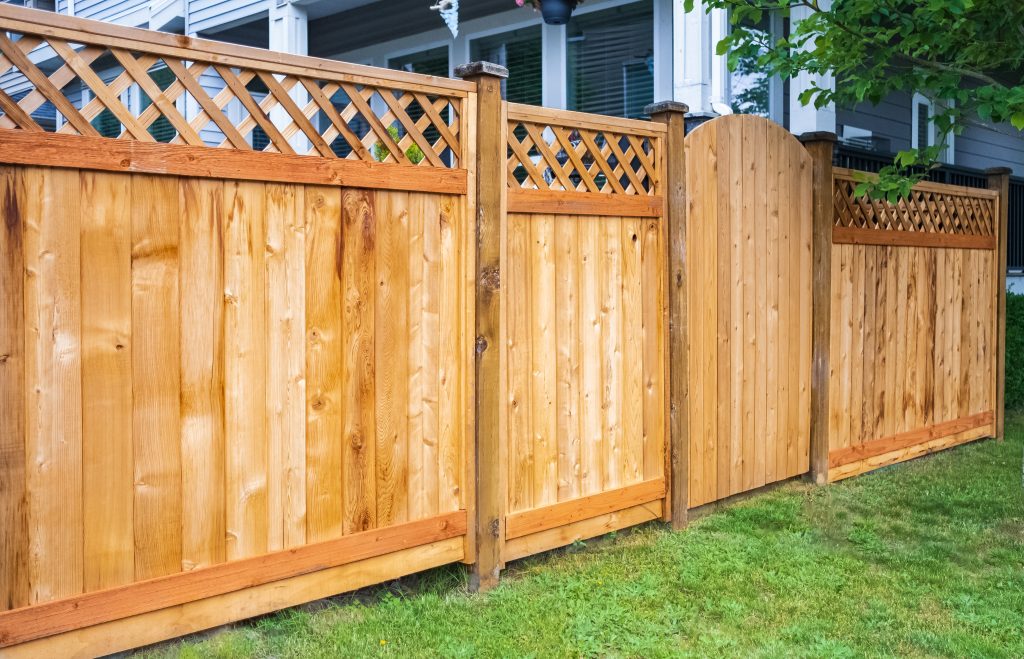
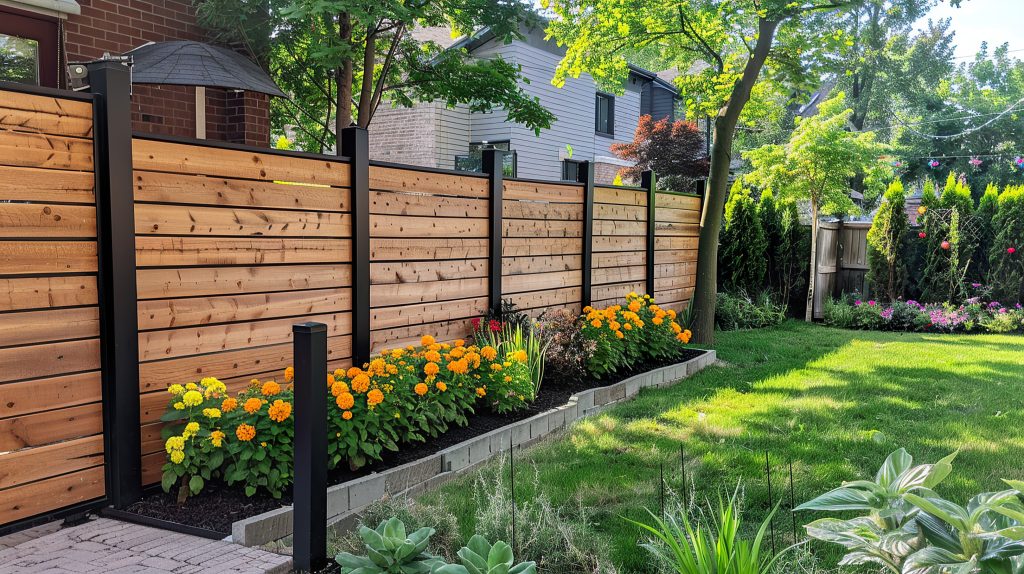
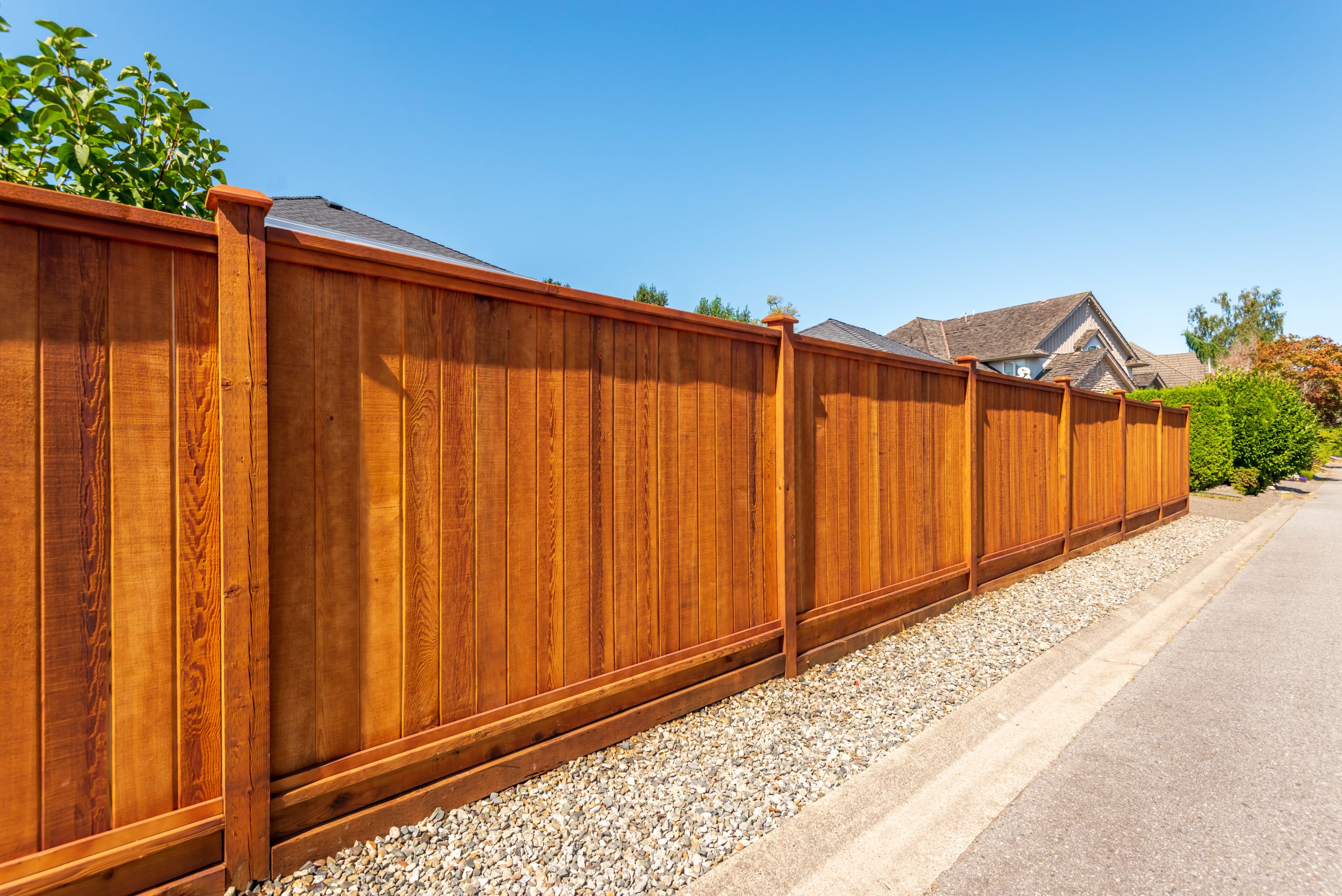
Cedar fencing is the default around here, and for a standard 6-foot privacy fence it prices in the middle of the pack. Pressure-treated pine costs less; clear-grade cedar, board-on-board construction, or a custom top pattern costs more. Most homeowners looking at wood end up deciding between those upgrades rather than between wood and another material.
Vinyl
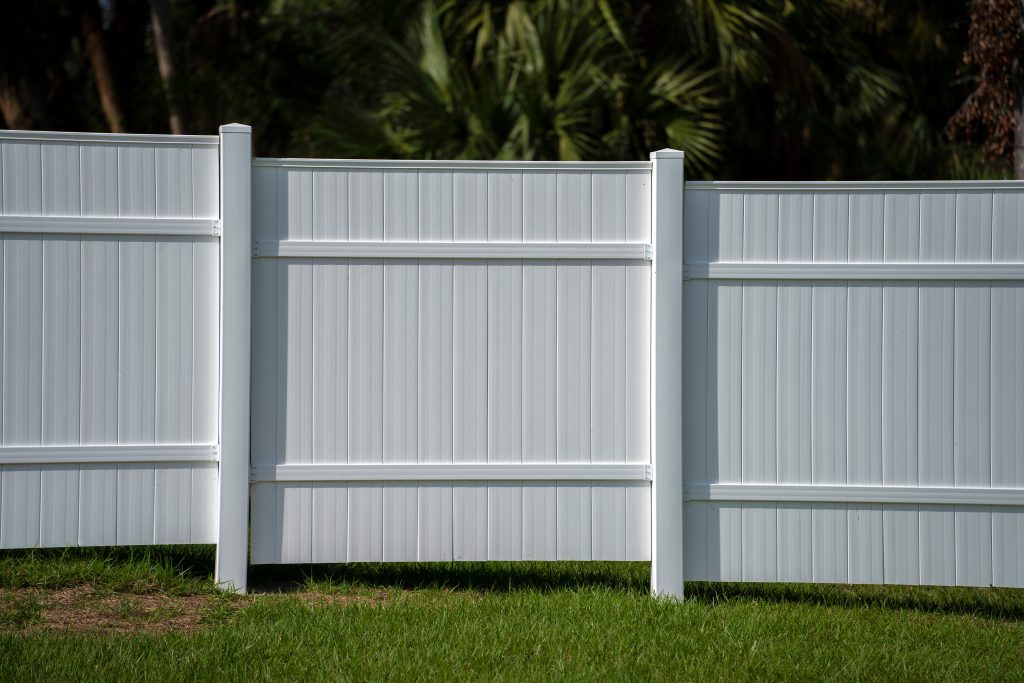
Vinyl fencing costs more up front than most wood and less than most metal. Full privacy panels sit at the top of the vinyl range, while picket and semi-privacy styles are lower. Wall thickness matters more than homeowners expect. Thin panels and posts are the easiest place for a low bidder to trim a quote, and the first thing to fail in a February wind off the lake.
Aluminum and Ornamental Steel
Ornamental and aluminum fencing is the most expensive material we install regularly, and it is what a lot of North Shore homeowners want for pool enclosures, front-yard fencing, and anywhere a fence has to be visible without reading as a barrier.
Chain Link
Chain link fencing remains the least expensive way to enclose a yard, and still the right answer for plenty of dog runs and side yards. Black vinyl-coated chain link costs more than galvanized and largely disappears against landscaping, which is why it has quietly become common in Skokie and Des Plaines backyards.
Composite
Composite fencing sits near the top of the range and is the smallest slice of what we install. It gets picked when a homeowner wants the look of wood without the maintenance, and the budget to buy their way out of the upkeep.
The Line Items That Impact Cost
The fencing material sets the baseline. What follows is what separates two very different quotes on the same street.
- Every walk gate adds to the total, and a double drive gate adds considerably more before any automation. Openers are a line of their own on top of that.
- Going from 4 feet to 6 feet raises material cost noticeably and can put your project into a different permit review.
- Removing and hauling away an existing fence is priced by the foot on top of the new install. Concrete-set steel posts take longer to pull than wood.
- Slope, tree roots, and buried utilities add labor, as does a backyard the crew cannot reach with equipment, common on older Evanston and Wilmette lots.
- Heavy clay soil and Illinois frost depth mean posts get set deeper here than in most of the country, commonly 36 inches or more. That is concrete and labor that cannot be skipped without the fence heaving in a few winters.
- Corners and short runs cost more per foot than long straight ones, because installing posts takes time.
- A current plat of survey, if you do not have one on file, is a separate expense paid to a licensed Illinois surveyor.
That last one catches people off guard. If your survey is decades old, a village may not accept the permit application without a current one, and a fence built on an unconfirmed boundary is an expensive thing to unwind.
Permits, Surveys, and the HOA Layer
Nearly every village in our service area requires a permit for a new or replacement fence, and North Shore suburbs are generally stricter about it than the City of Chicago. Fees are usually minor. Some communities, Evanston among them, calculate the fee from the value of the work and review requirements by zoning district, which is how two houses six blocks apart get different answers.
The rules that shape your budget are height and placement. Six feet is the common maximum in rear and side yards. Front-yard fencing is capped well below that, often 3 or 4 feet where it is allowed at all, and corner lots are frequently treated as having two front yards. Most villages also want the finished side facing outward. If your plan needs a variance, add weeks.
We coordinate permits as part of residential fence installation, so the paperwork is ours rather than yours. Requirements do change, so treat the specifics above as background and let us confirm what your village wants for your address.
HOAs are a separate layer with their own calendar. Plenty of subdivisions in Northbrook, Glenview, and Deerfield specify material, color, and height, and some review submissions only once a month. Start that approval early. It misses more Memorial Day deadlines than anything on the construction side.
Why One Quote Comes in Far Lower
When bids land far apart, the difference is rarely margin. It is scope, and it is usually buried in the parts of the estimate nobody reads twice.
Check post depth and post material. Check whether tear-out and disposal are included or quietly marked "by owner." Check panel and picket thickness, hardware grade, and whether concrete goes at every post or every third one. Then check who is doing the work, because plenty of companies here sell the job and hand it to a subcontracted crew the salesperson has never met.
We do not subcontract. Our own crews handle the installation, which matters for practical reasons more than marketing ones. It means the people building your fence are accountable for the finished product, and it allows us to weld on site when a gate or railing needs to be modified to fit an opening that is not perfectly square. That can be the difference between a gate that closes properly and one that only mostly closes.
Fencing By Wall has been doing this since Jim Wall started the company in 1988. The second generation runs the company today, and we are members of the American Fence Association. None of that is meant to suggest that we will always be the lowest bid. It means our estimates are based on the fence you are getting, with the workmanship and materials needed to install it correctly.
Timing and How to Spread the Cost
Spring is the busiest stretch in fencing because everyone wants the job done before the first cookout. Booking in late winter or scheduling early fall usually means a shorter wait and a less rushed install. Ground conditions in the Chicago area stay workable later in the year than homeowners assume.
If the full perimeter does not fit this year, phase it. Enclose the section that solves the immediate problem, whether that is the dog, the pool, or the neighbor’s sightline, and match the rest next season. Settle material, height, and style now so phase two matches phase one instead of approximating it.
Our residential projects run on a deposit up front and the balance at completion, so you are not carrying the whole cost before a post goes in the ground.
Get a Real Estimate for Your Yard
Everything on this page is background. What your specific project costs comes down to your footage, your grade, your gates, and what your village requires.
We will walk your property, measure it, talk through the material options honestly, and hand you an itemized estimate you can compare line by line against anything else on your kitchen table. See our full range of residential fencing services, or contact Fencing by Wall to schedule a free on-site estimate anywhere on the North Shore or in the northwest Chicago suburbs.
Fencing Installation Costs FAQs
How much does residential fence installation cost in the Chicago suburbs?
Cost comes down to material, footage, height, and gates, and fencing is generally priced by the linear foot installed. Chain link sits at the low end, cedar and vinyl in the middle, and ornamental aluminum, welded steel, and composite at the top. A typical suburban backyard needs 120 to 200 linear feet. Fencing By Wall provides free on-site estimates, so the number you work from reflects your actual footage, grade, and gate placement rather than an average.
How much does a 6-foot cedar privacy fence cost?
Cedar prices in the middle of the material range for a standard 6-foot privacy fence, and the total depends on footage, gate count, and grade. Board-on-board construction, clear-grade cedar, and custom top patterns push it higher. Fencing By Wall itemizes cedar estimates so you can see what each upgrade costs before committing to it.
Do I need a permit to install a fence in Evanston, Wilmette, or Glenview?
Almost certainly. Nearly every village on the North Shore requires a permit for new and replacement fences, and suburban requirements are often stricter than the city’s. Fees are usually a small part of the budget, though some communities base them on project value. Height and placement rules affect the design more: 6 feet is the common maximum in rear and side yards, front-yard fencing is capped lower, and corner lots are often treated as having two front yards. Fencing By Wall coordinates permits and confirms current requirements with your village before installation begins.
Why are my fence quotes so different from each other?
Usually scope, not margin. Post depth and post material, panel thickness, hardware grade, how much concrete goes in the ground, whether removal and disposal are included, and whether the installing crew is employed or subcontracted all move the price. Fencing By Wall uses its own crews and itemizes estimates so specifications can be compared directly rather than guessed at.
How much does it cost to remove an old fence?
Tear-out and disposal are priced by the linear foot and depend on material, how the posts were set, and dump fees. Concrete-set steel posts take longer to pull than wood ones. Fencing By Wall lists removal as its own line so you can see what that part of a replacement project actually costs.
When is the best time of year to install a fence in Illinois?
Spring is the busiest season, which means longer lead times. Late winter booking or early fall scheduling usually gets you a shorter wait and a calmer install, and ground conditions in the northern suburbs hold up later into the year than most people expect. Fencing By Wall installs residential fencing year-round and can advise on timing during the site visit.