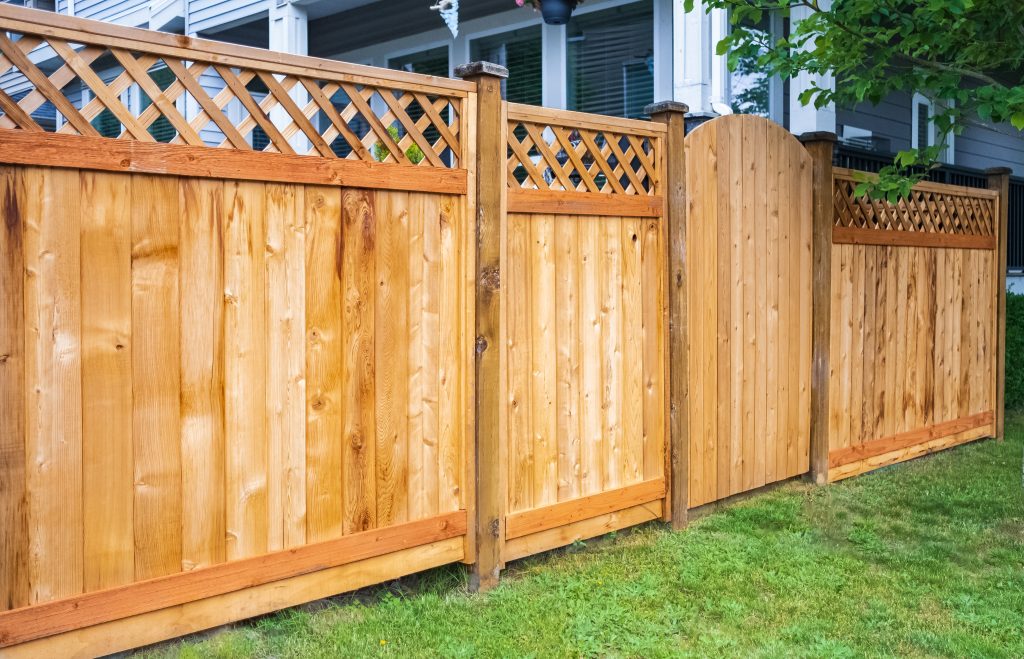
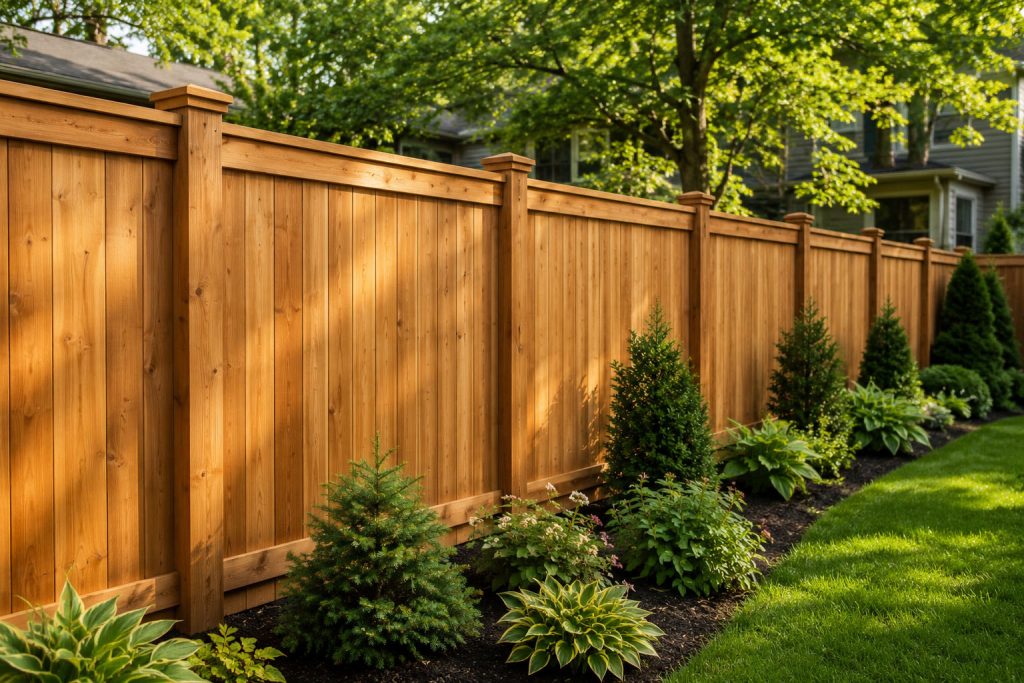
For the first year or so, a new cedar fence is hard to beat. The wood comes in a warm honey-brown, the grain looks clean, and the whole yard feels finished. Then a couple of Illinois winters go by, and homeowners across the North Shore start calling us with the same question: why is my fence turning grey, and did the installer do something wrong?
Almost always, the answer is no. Cedar is one of the better woods you can put in the ground around here, but it still responds to sun, snow, and moisture like any natural material. The grey is normal. So is a popped nail or a little cupping after a hard freeze. The good news is that a cedar fence asks for very little to stay strong and look good. A few hours of attention a year, spread across a couple of weekends, is usually all it takes.
Here is how to keep a cedar fence in good shape through Illinois weather, whether you put it up for privacy, for the dog, or just to finish off the yard.
Why Cedar Holds Up Well in Illinois
Cedar earns its spot in a lot of Chicago area backyards for a simple reason; it is built to handle moisture. The wood contains natural oils that resist rot and push back against the insects that chew through cheaper lumber. That matters in a climate that swings from humid July afternoons to a freeze-thaw cycle that runs all winter long.
Compared with other wood fences, cedar also moves less. It is less likely to warp, cup, or split when the temperature drops twenty degrees overnight, which is a regular event here. For a wood privacy fence, that stability is worth a lot. You want those tall boards to stay flat and tight, so the fence gives you the privacy you paid for.
None of that makes cedar maintenance-free. Left completely alone, a cedar fence will still fade to a soft silver-grey, and the parts closest to the ground take the most wear. The care below is about slowing that down and protecting the fence where Illinois weather hits hardest.
Clean Your Cedar Fence Once a Year
Before sealing, staining, or inspecting anything, the fence needs to be clean. Dirt, pollen, and grass clippings build up along the boards over a season, and the shaded side, usually the north-facing run, tends to grow a thin film of green algae or grey mildew. On a cedar fence, that buildup traps moisture against the wood, which is exactly what you want to avoid.
A yearly wash in late spring handles most of it, and you do not need anything fancy:
- Mix a mild soap or an oxygen-based cleaner with water in a bucket.
- Work in sections with a soft-bristle brush, scrubbing along the grain.
- Rinse with a garden hose, working from the top down.
One caution on pressure washers. Cedar is a soft wood, and a pressure washer on a high setting will gouge the surface and raise the grain, leaving fuzzy, damaged boards behind. If you use one at all, keep it on a low, wide setting and hold the wand well back. A brush and a hose do a better job with far less risk.
Seal or Stain to Protect the Wood
If you only do one thing for your cedar fence, make it this. Sealing or staining protects the wood from the two forces that age it fastest in Illinois which are summer UV and water.
A good seal or stain also helps prevent your cedar fence from turning grey. Cedar turns silver-grey because sunlight breaks down the surface of the wood. Some people love that weathered look and let it happen. Others want to hold onto the warm brown tone the fence had on day one. Neither choice is wrong, and what you use depends on the look you are after:
- A clear or lightly tinted sealer keeps the natural color and adds water protection but needs reapplying most often.
- A semi-transparent stain adds a hint of color, lets the grain show, and holds up longer against the sun. This is where most homeowners land for a cedar wood fence.
- A solid stain covers the grain like paint and lasts the longest, though you give up the natural cedar look.
In our climate, plan to reseal or stain every two to three years. Fences in full afternoon sun may need it a little sooner. If your fence is brand new, let it dry out and weather for several weeks before the first coat so the wood can absorb the product. Sealing too early traps mill glaze and moisture, and the finish will not hold. Pick a stretch of dry, mild days for the job, with no rain in the forecast for a day or two afterward.
Keep Moisture Away from the Base
Cedar's natural oils protect the boards well, but every wood fence has one weak spot; where the posts meet the ground. That is where standing water, wet soil, and piled-up debris do their damage, and it is usually where a fence starts to fail.
A few habits can help prevent damage in this area. Rake leaves and grass clippings away from the fence line instead of letting them pile against the boards. Keep mulch and garden beds pulled back a few inches from the posts. Trim any vines, shrubs, or tall grass growing into the fence, since they hold moisture against the wood and block airflow. And if you have a low spot where water pools after a storm, it is worth improving the drainage so the base of the fence is not sitting in a puddle for days. None of this takes long, but it makes a real difference in how many years you get out of a wood privacy fence.
Inspect Your Fence in Spring and Fall
Illinois weather is hard on hardware. The freeze-thaw cycle works nails and screws loose, wind stresses the panels, and heavy, wet snow can lean on a gate all winter. A quick walk along the fence twice a year, once after winter and once before it, catches the small stuff before it requires repair.
Look for popped nails or backed-out screws, boards that have worked loose or started to cup, and posts that feel loose or have begun to lean. Check that gates still swing freely and latch cleanly. A gate that drags or will not close is often the first sign a post has shifted. Tapping in a nail or tightening a hinge takes a minute; ignoring it for a year is how a small problem becomes a whole section that needs rebuilding.
Getting a Cedar Fence Ready for Winter
Winter is the hardest season on any fence in the Chicago area, and cedar is no exception. The two elements that cause most of the damage are freeze-thaw movement and road salt.
There is not much you can do about freeze-thaw beyond keeping the fence sealed and the base clear. Snow you can manage. When you shovel or plow the driveway, do not pile the snow against the fence. A heavy, wet snowbank sitting against cedar boards for weeks keeps them soaked and can push panels out of line, so give the fence some room.
If your fence runs along a driveway, sidewalk, or the street, keep an eye on salt. Road salt splashes onto the lower boards over the winter and can dry out and discolor the wood. Come spring, a rinse with the hose clears it off before it does any lasting harm. Gate hardware near a salted path is worth a quick rinse and a drop of lubricant too.
When a Cedar Fence Needs More Than Maintenance
Even a well-kept cedar fence reaches a point where upkeep is not enough. Posts that have rotted at the base, a run that leans no matter how you brace it, or an older wood privacy fence that has lost too many boards are jobs for repair or replacement, not a weekend of cleaning.
Fencing By Wall is a family business that has been installing and repairing cedar fences throughout the Chicago area since 1988. We use our own crews on every job, we know how cedar behaves in this climate, and we will tell you honestly whether a fence is worth repairing or whether you will get better value from a new one. If you are weighing a new cedar privacy fence, we can walk your property and lay out your options with no pressure.
Talk to Fencing By Wall About Your Cedar Fence
Whether you need repair, a full replacement, or a brand-new wood fence for your yard, we are happy to help. Call us at (312) 882-5094 to learn more about our wood fence installation services or schedule a free on-site estimate. We will walk your property, answer your questions, and help you get a cedar fence that stands up to Illinois weather for years to come.
Cedar Fence Maintenance FAQs
How often should I seal or stain a cedar fence in Illinois?
Plan on every two to three years. Illinois summers bring strong UV, and the winters cycle through freezing and thawing, so finishes wear faster here than in milder climates. Fences in full sun may need attention sooner. A simple test: if water stops beading on the surface, it is time for another coat.
Will my cedar fence turn grey, and can I stop it?
Yes. Cedar naturally fades to a silver-grey as sunlight breaks down the surface of the wood. It is normal and does not weaken the fence. If you want to keep the warm brown color, a semi-transparent or solid stain with UV protection will hold it far longer. If you like the weathered look, you can let it grey and simply keep the wood sealed against moisture.
Can I pressure wash my cedar fence?
It is better not to, at least not on a high setting. Cedar is a soft wood, and strong pressure gouges the boards and raises the grain. A soft brush, a mild cleaner, and a garden hose clean a cedar fence just as well without the risk of damage.
How long does a cedar fence last in the Chicago area?
With regular cleaning, sealing, and basic care, a cedar fence commonly lasts 15 to 25 years or more in northern Illinois. The posts are the biggest factor, so keeping the base clear of moisture and debris does the most to extend the life of the fence.
Is cedar a good choice for a privacy fence on the North Shore?
It is one of the most popular options for good reason. Cedar's natural oils resist rot and insects, and it stays flatter than many other woods through temperature swings, which keeps tall boards tight and looking clean. With routine maintenance, a cedar privacy fence delivers years of solid privacy and strong curb appeal.