You can't relax in a backyard that feels like a stage. Whether the houses on your street sit close together, a new two-story went up next door, or you just want to let the dog out without waving to three neighbors, a privacy fence solves a problem that landscaping alone can't.
The question isn't whether a privacy fence works. It's which material and design will still look good and stand straight after a decade of Chicagoland winters, and how to get it built without a permit headache. This guide covers both, based on what we've learned installing fences across the Chicago area since 1988.
Before You Build: Permits, Utilities, and HOAs
There are three things to sort out before anyone digs a post hole.
Utility location comes first. Illinois law requires a call to J.U.L.I.E. (dial 811) before any digging so underground gas, electric, and water lines get marked. When Fencing By Wall handles your installation, we schedule the location as part of the job.
Fence permits and height limits vary town by town. Many North Shore municipalities cap backyard and side-yard fences around six feet and hold front-yard fences to three or four feet for sightline reasons, but the specifics differ between Wilmette, Winnetka, Evanston, Skokie, and every other suburb we serve. Some towns also regulate which side of the fence must face out. We confirm your municipality's rules and coordinate the permit paperwork so you don't have to interpret a zoning code on your lunch break.
If you're in a subdivision with a homeowner’s association, check your covenants early. Some North Shore HOAs restrict fence height, material, or color; a few limit fencing to certain lot lines. Getting HOA approval in writing before installation avoids an expensive redo. We've worked through plenty of HOA reviews and can supply the drawings and material specs most boards ask for.
The Best Privacy Fence Materials for Chicagoland Weather
Our winters drop below zero, our summers get humid, and the wind off the lake tests every fence line throughout Chicagoland. Here's how the three most popular privacy materials compare.
Cedar: The Classic, With Homework
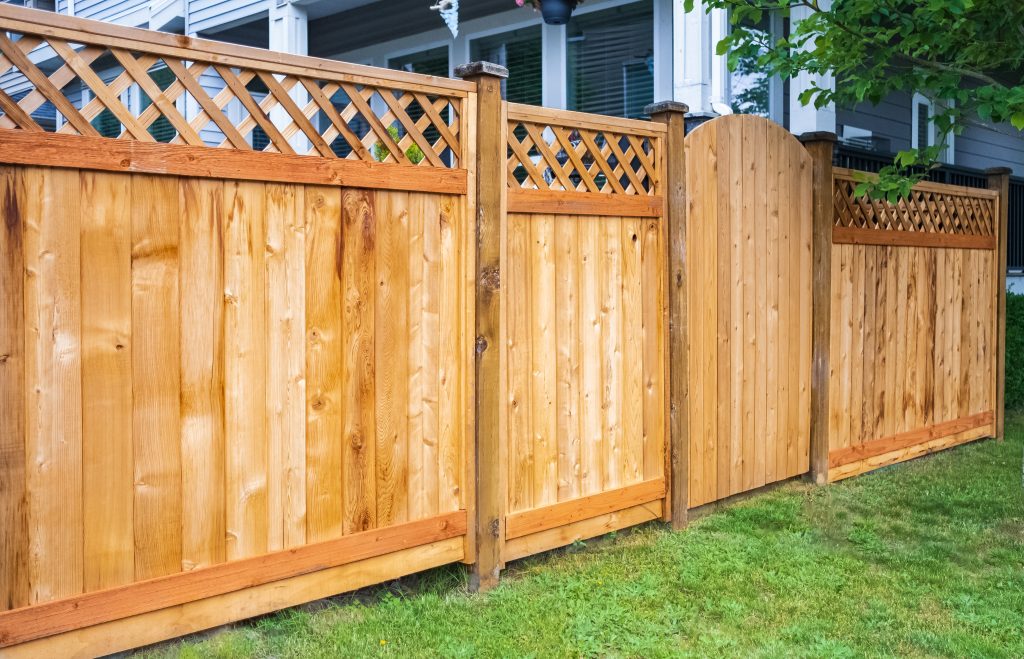
Cedar remains the most requested wood privacy fence for a reason. It looks warm and natural, takes stain well, and its oils resist rot and insects better than most woods. On a wooded Glencoe or Highland Park lot, nothing else blends in the same way.
The tradeoff is upkeep. Plan on staining or sealing every two to three years to keep the color and slow weathering. Skip it and cedar grays out; some homeowners like that look, others call us five years in wishing they'd picked vinyl. Pressure-treated pine costs less up front but demands even more maintenance and tends to warp as it dries, so we usually steer privacy projects toward cedar when wood is the goal.
Vinyl: Set It and Forget It
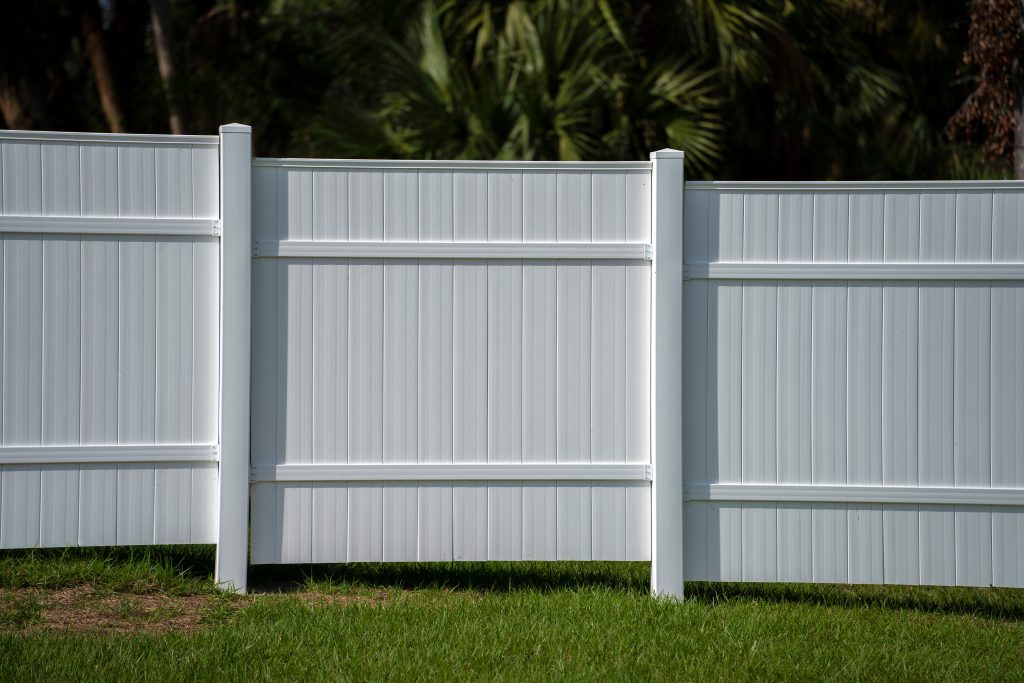
Vinyl privacy fencing has no staining schedule and no rot risk. The color runs through the material, so it won't peel or need repainting, and quality vinyl flexes in high wind instead of cracking. Expect 20 to 30 years of service from a properly installed system, which is why it's become the default recommendation for homeowners who want the fence handled once.
The honest downsides: vinyl costs more than pine up front, the style range is narrower than wood, and a cracked panel gets replaced rather than repaired. If your HOA requires a specific look, check that vinyl profiles are approved before choosing one. For a deeper look at styles and options, see our vinyl fence installation page.
Composite: Wood Looks, Vinyl Behavior
Composite fencing blends wood fibers with recycled plastics, which gets you wood-grain texture without the staining cycle. Composite handles temperature swings well and doesn't feed insects. It's the priciest of the three, and it's heavy, so post spacing and footings matter more. For homeowners who want the warmth of wood on a low-maintenance schedule and have the budget for it, composite is worth a site visit to discuss.
Privacy Fence Designs That Actually Block Sightlines
Material is half the decision. The panel design determines how much your neighbors see.
Board-on-board construction overlaps alternating vertical boards, so there's no gap even after the wood shrinks in its first dry winter. Standard side-by-side picket fences open up small gaps as boards cure; board-on-board doesn't. It uses more lumber, which costs more, but it's the design we recommend when full privacy is the point of the project.
Tongue-and-groove panels interlock like flooring, leaving zero sightline and standing up well to wind because the panel acts as a single surface. The boards are milled to expand and contract without splitting.
Horizontal slat fences give a modern look that suits newer construction and can make a narrow yard feel wider. Slat spacing is adjustable, so you can run tight spacing for privacy along one stretch and open it up where airflow or light matters more.
Lattice toppers add 12 to 18 inches of screening above a solid panel without the visual weight of a taller solid fence, and they keep you friendlier with height limits than a full seven-foot wall would. They also happen to be excellent trellises if you'd rather grow your privacy.
Mixed-material builds, like cedar boards on steel posts, pair the look of wood with posts that never rot at the ground line, which is where most wood fences fail first. Our crews weld on site, so custom post and frame work is done to fit your yard rather than forced from a catalog.
Getting the Height Right
Six feet is the standard privacy height and the ceiling in many suburbs, but the right number depends on grade and sightlines, not just the ordinance. If your neighbor's deck sits three feet above your patio, a six-foot fence at the property line may not screen the view where you sit. Sloped lots often call for stepped or racked panels to keep the top line consistent without leaving gaps at the bottom.
This is exactly the kind of thing a site visit settles in ten minutes. We look at where you spend time in the yard, where the sightlines come from, and how the grade runs, then design the fence line around it.
Why North Shore Homeowners Choose Fencing By Wall
Fencing By Wall is a second-generation family business. Jim Wall founded the company in 1988, and his son Mike runs it today with the same approach: our own crews on every job, no subcontractors, and a straight answer about what your yard needs.
We're members of the American Fence Association, fully licensed, bonded, and insured, and we handle the permit coordination that trips up so many fence projects in the suburbs. Our on-site welding capability means custom gates and steel-post builds are fabricated to fit your property, not adapted from stock parts.
The process is simple. We walk your yard, talk through your goals, and lay out material and design options with real tradeoffs instead of a one-size pitch. Then we build it clean, keep the site tidy, and do a final walkthrough with you before we call it done.
Get a Free Privacy Fence Estimate
If you're ready to stop planning your backyard around who can see into it, the next step takes one call. We'll schedule an on-site consultation, walk the fence line with you, and give you a clear recommendation and estimate for your yard.
Call Fencing By Wall at (312) 882-5094 or request your free estimate online. We serve homeowners throughout the North Shore and the Chicagoland suburbs.
Privacy Fencing FAQs
What is the best privacy fence material for Chicago-area weather?
Cedar, vinyl, and composite all perform well here when installed correctly. Vinyl offers the lowest maintenance and a 20-to-30-year lifespan, cedar offers the most natural look with a staining schedule every two to three years, and composite splits the difference at a higher price point. The right choice depends on your budget, your HOA rules, and how much upkeep you're willing to do.
How tall can a privacy fence be in the Chicago suburbs?
Most North Shore municipalities cap backyard and side-yard fences around six feet, with front-yard fences limited to roughly three or four feet, but every town sets its own rules. Fencing By Wall confirms your municipality's requirements and coordinates the permit as part of the project.
Do I need a permit to install a privacy fence?
In most Chicagoland suburbs, yes. Requirements vary by municipality, and some HOAs add their own approval process on top. We handle the permit paperwork and can provide the drawings and specs HOA boards typically request.
What fence design blocks the most sightlines?
Board-on-board and tongue-and-groove designs provide full coverage with no gaps, even after wood boards shrink as they cure. Standard side-by-side picket construction opens small gaps over time, so we recommend overlapping or interlocking designs when complete privacy is the goal.
How long does a privacy fence last in Illinois?
A properly installed vinyl privacy fence typically lasts 20 to 30 years or more. Cedar generally lasts 15 to 25 years with regular staining and sealing. Ground-line rot is the most common failure point for wood fences, which is why cedar-on-steel-post builds are a popular long-life option.
Do I have to call anyone before fence posts are dug?
Illinois law requires contacting J.U.L.I.E. by dialing 811 before any digging so underground utility lines can be marked. When Fencing By Wall installs your fence, we schedule the utility location as part of the job.